
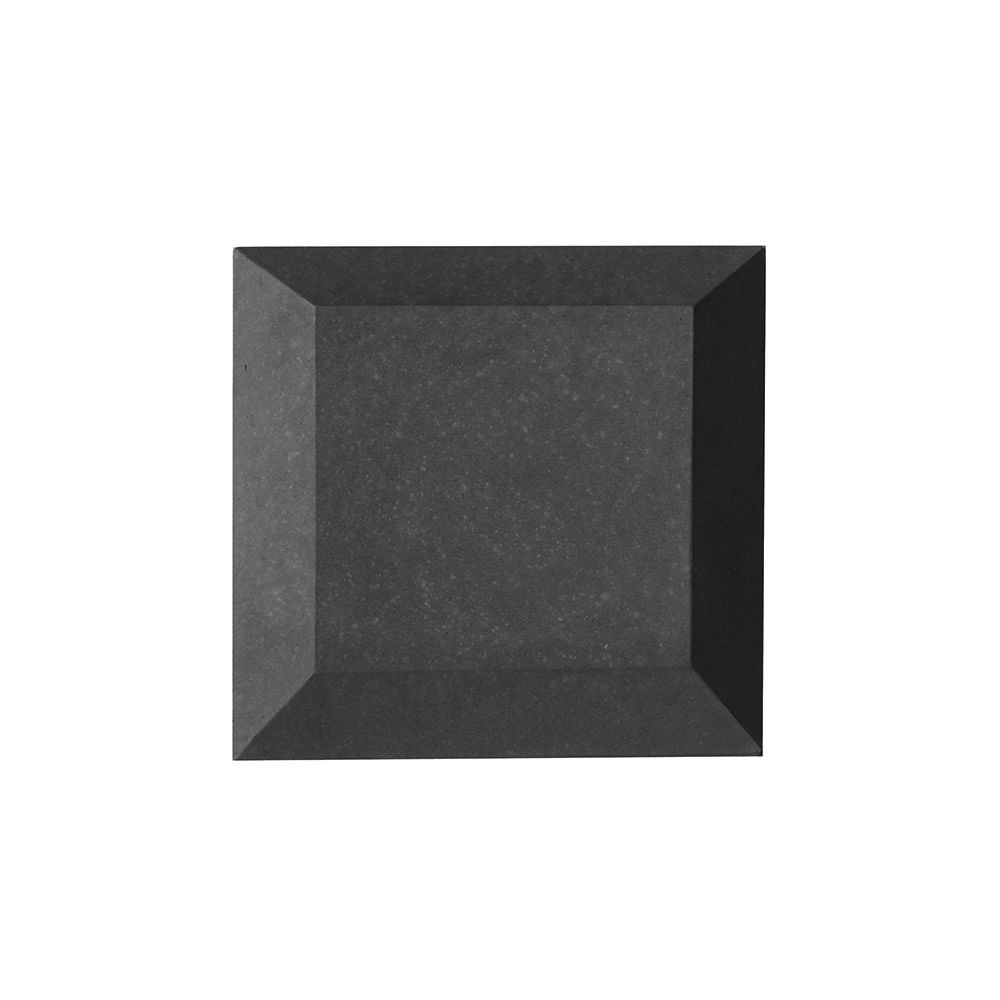
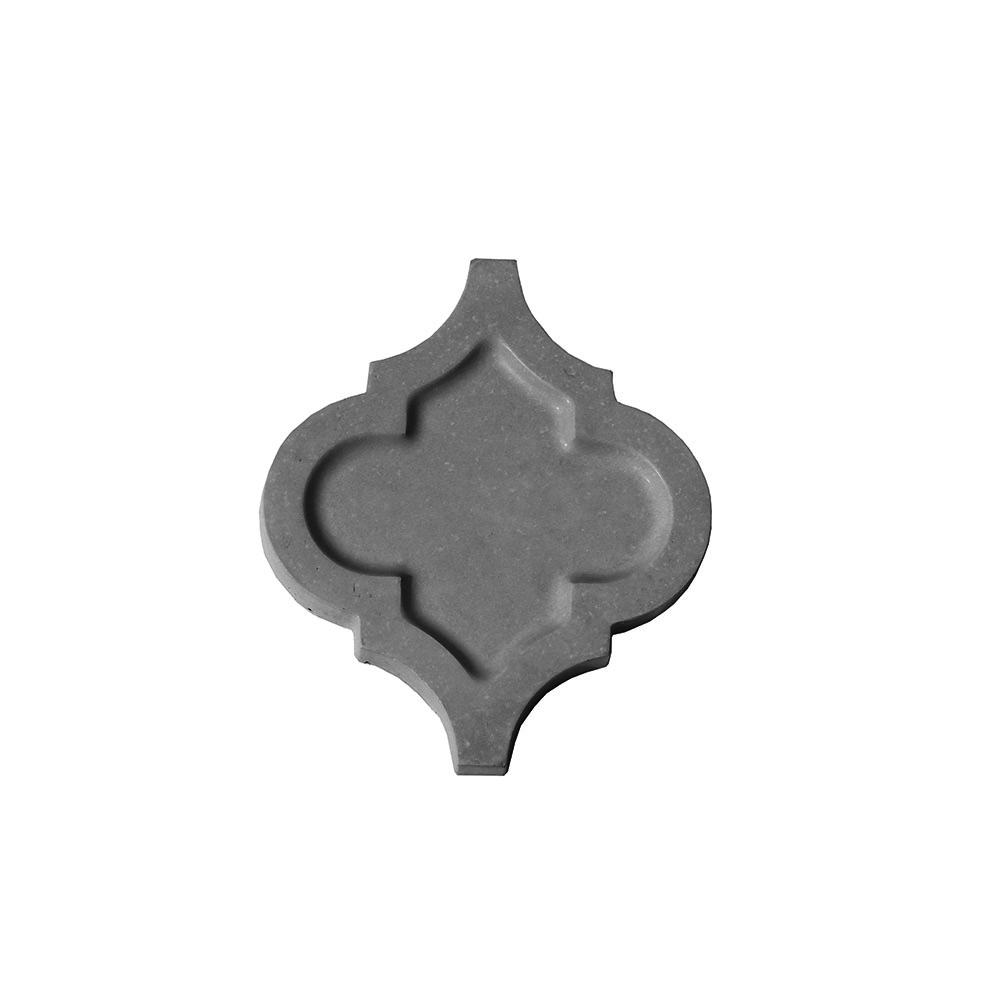
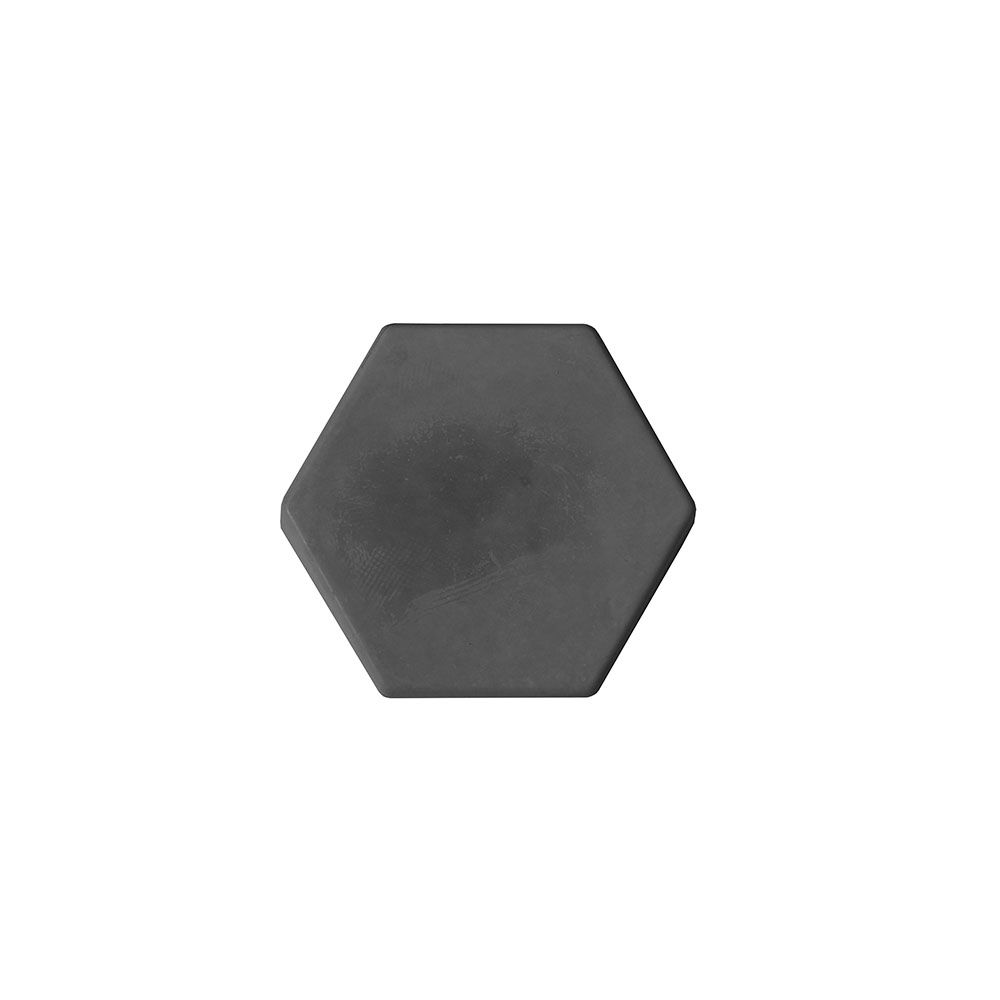
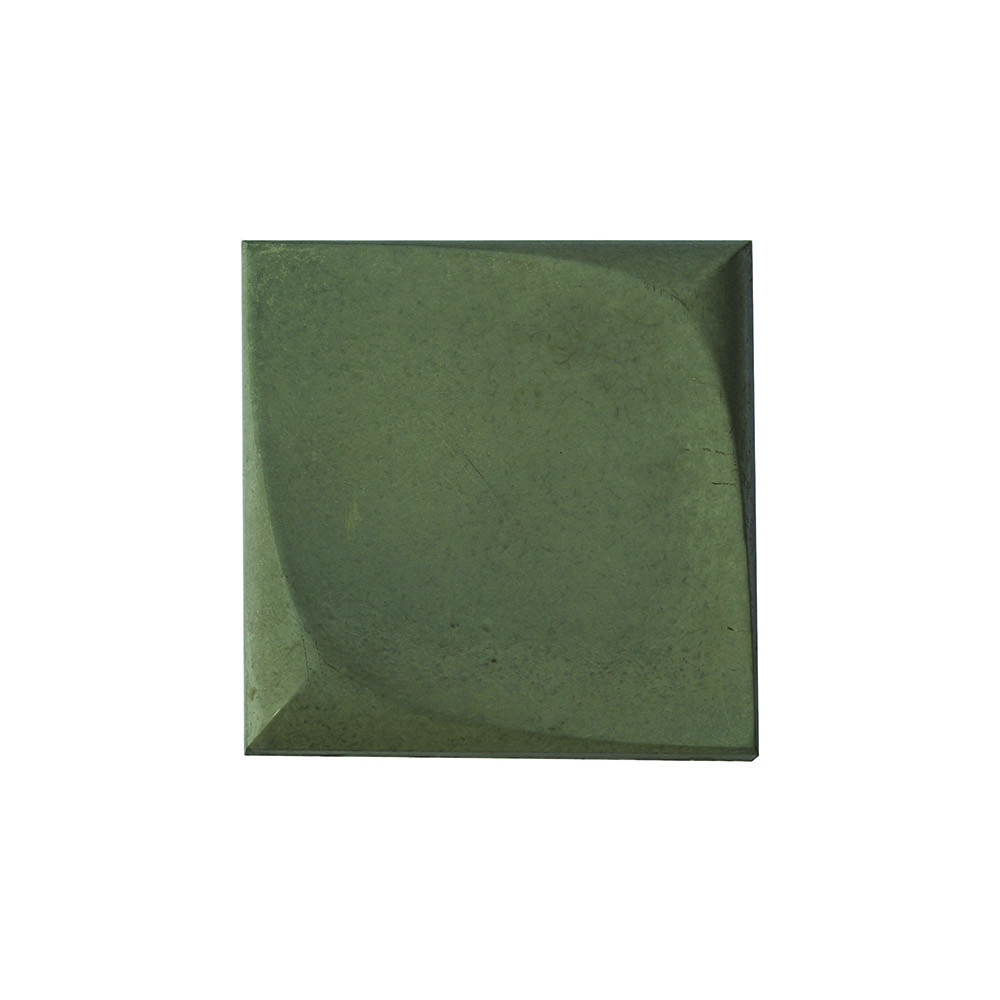
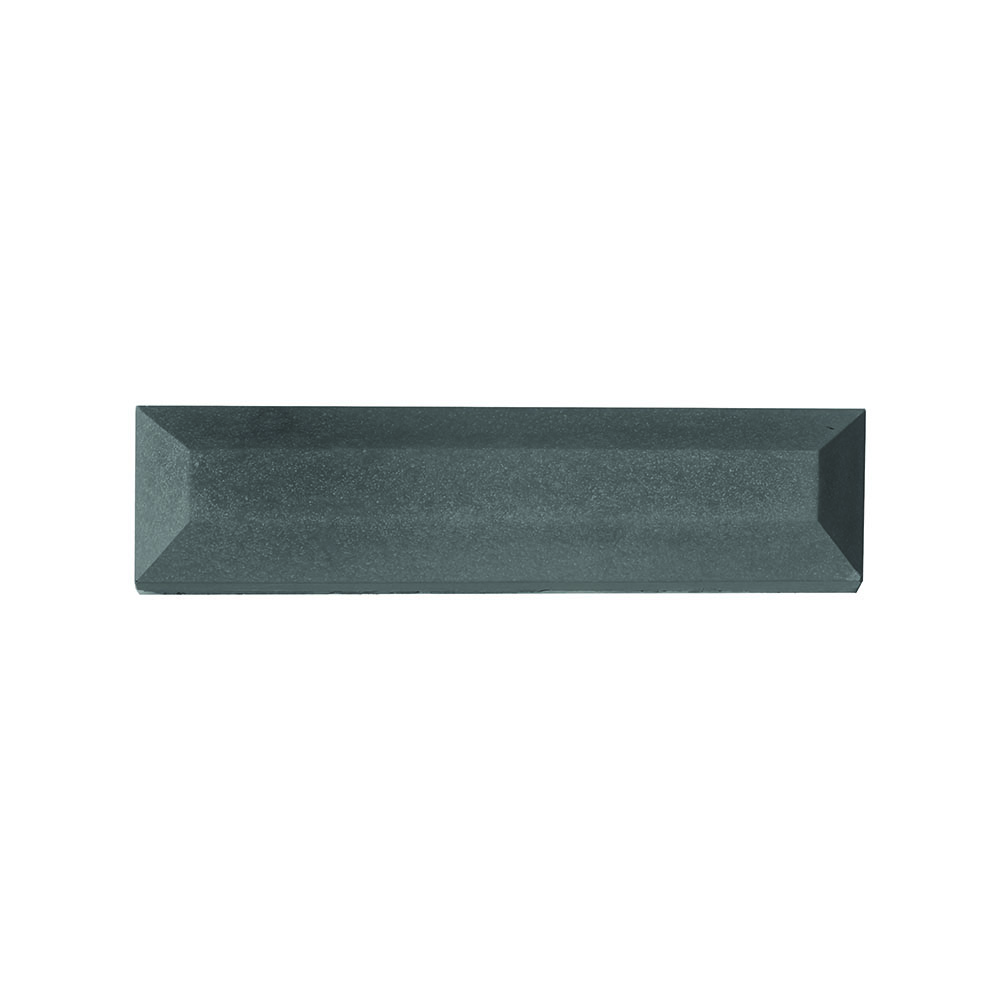
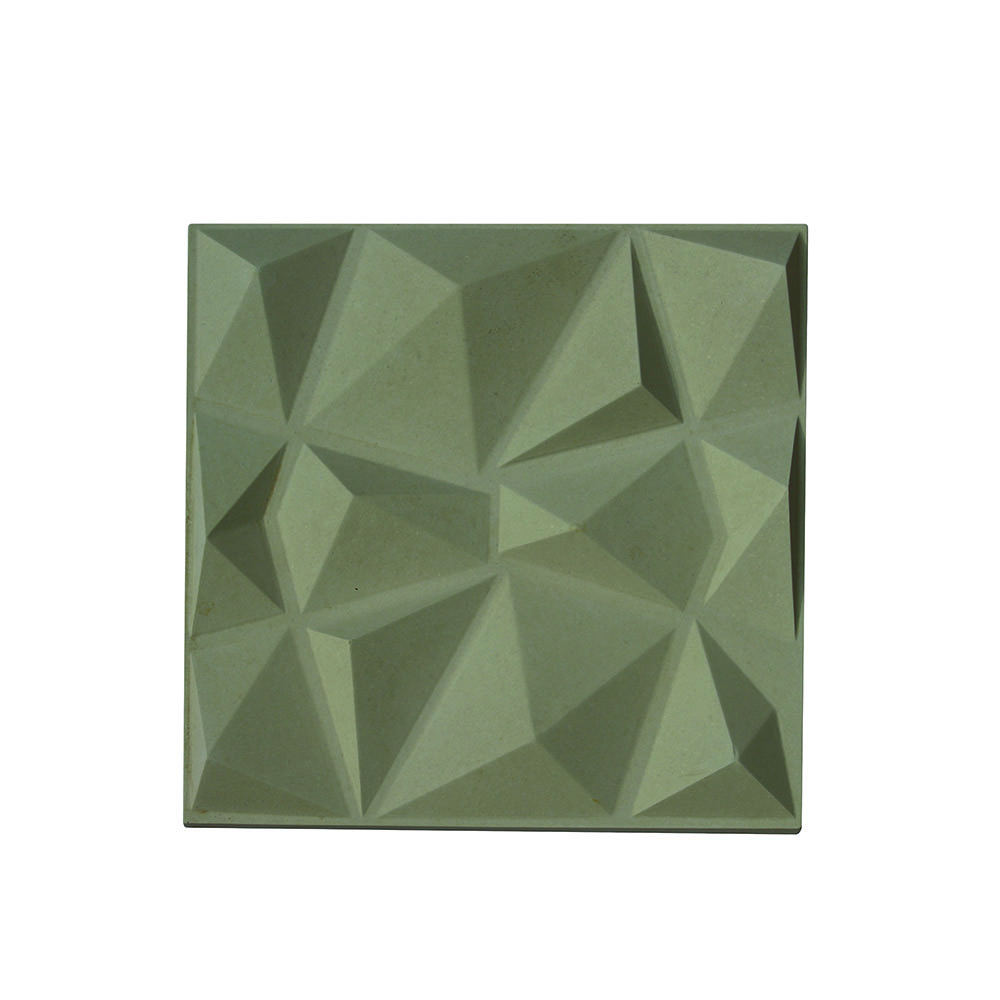
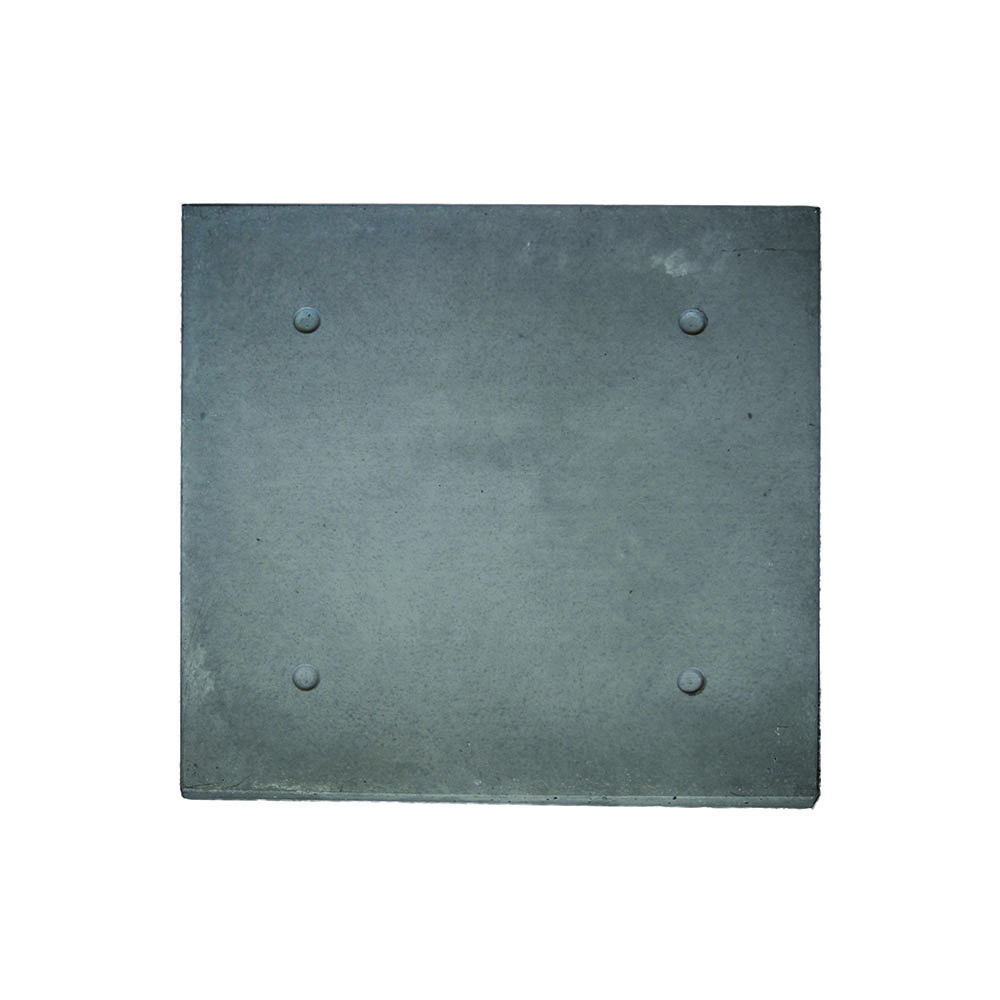
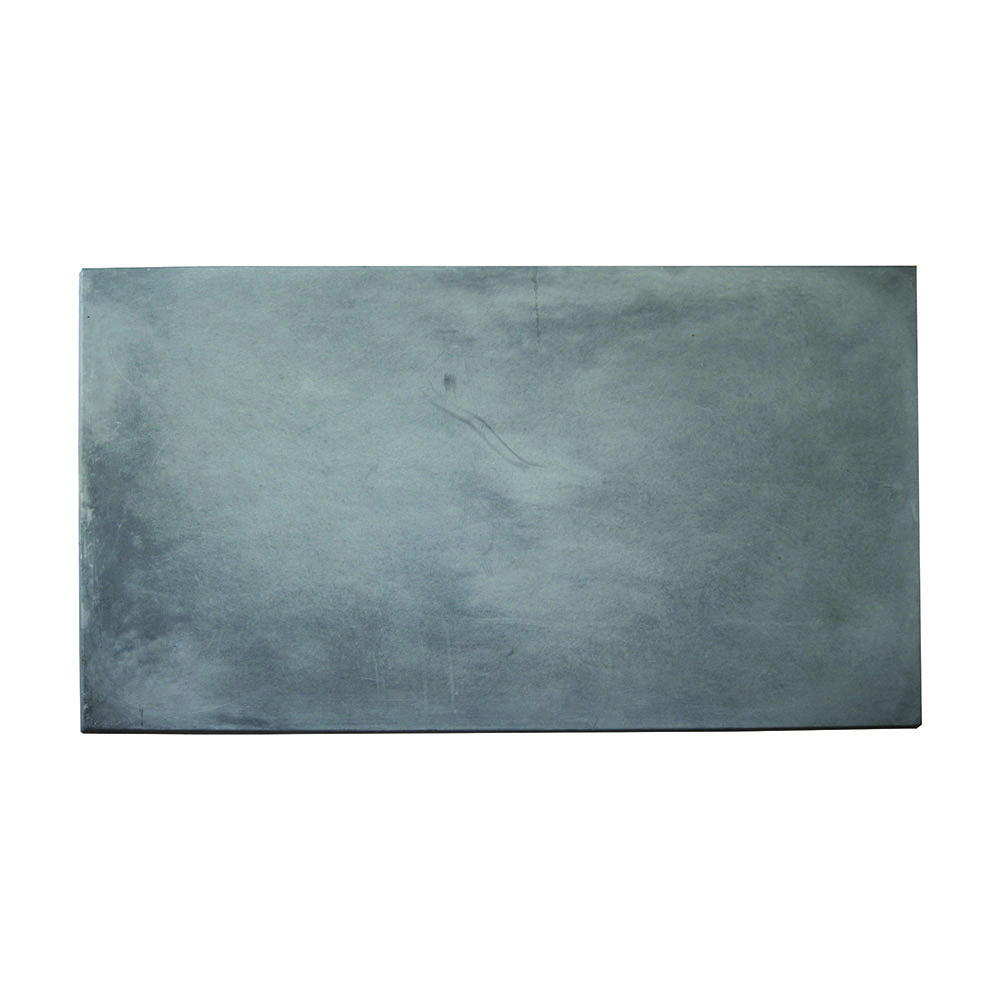

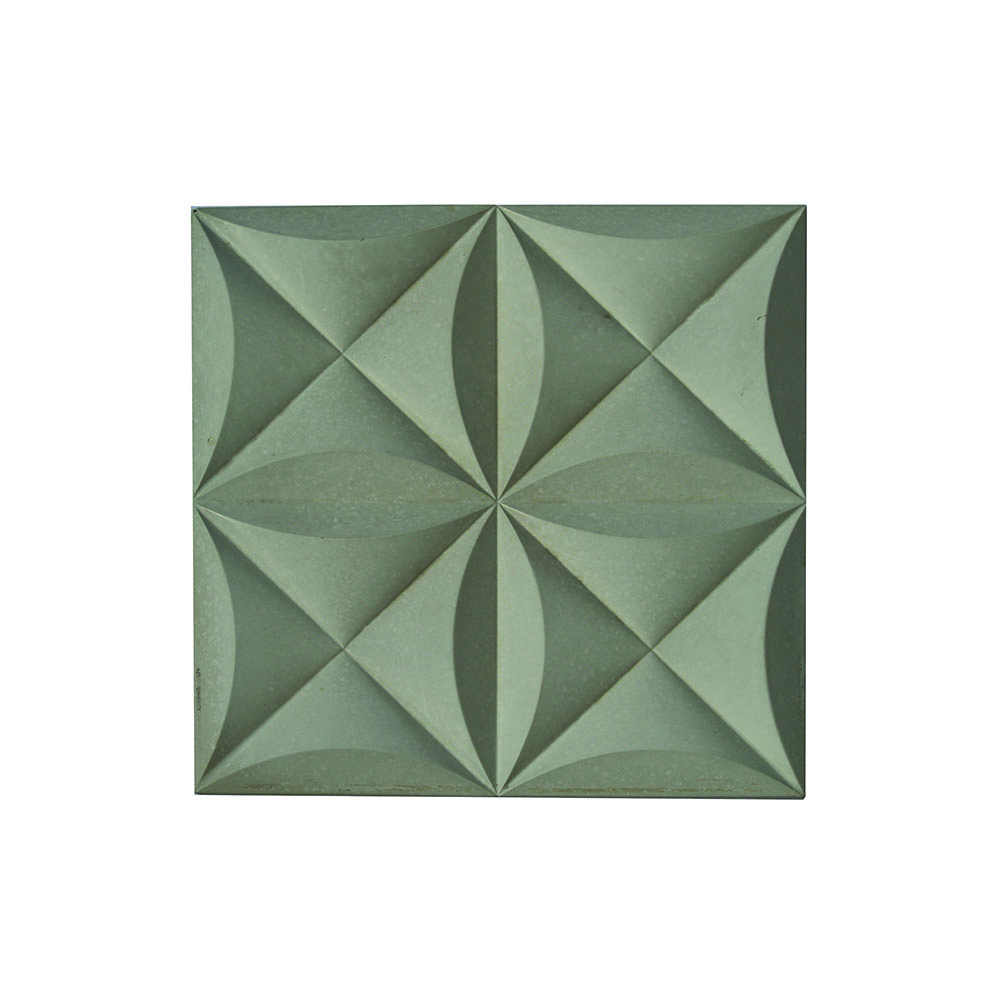
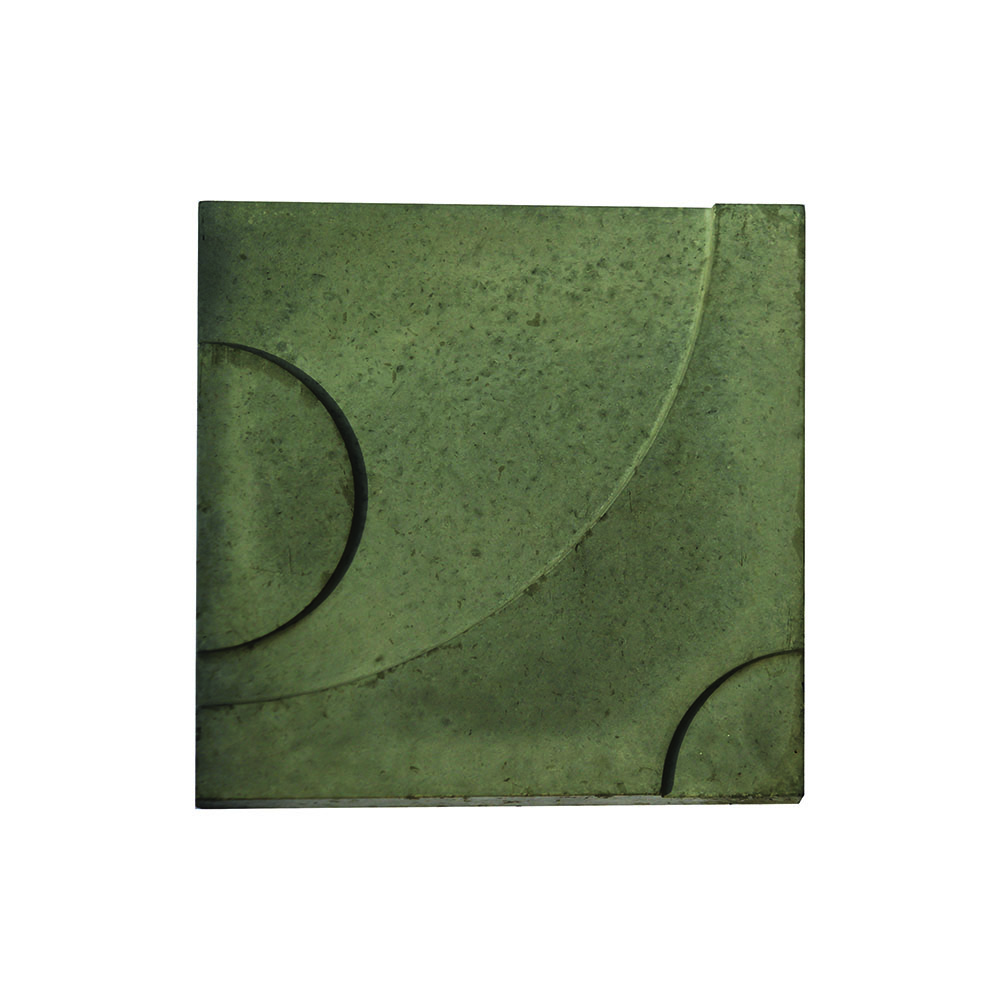
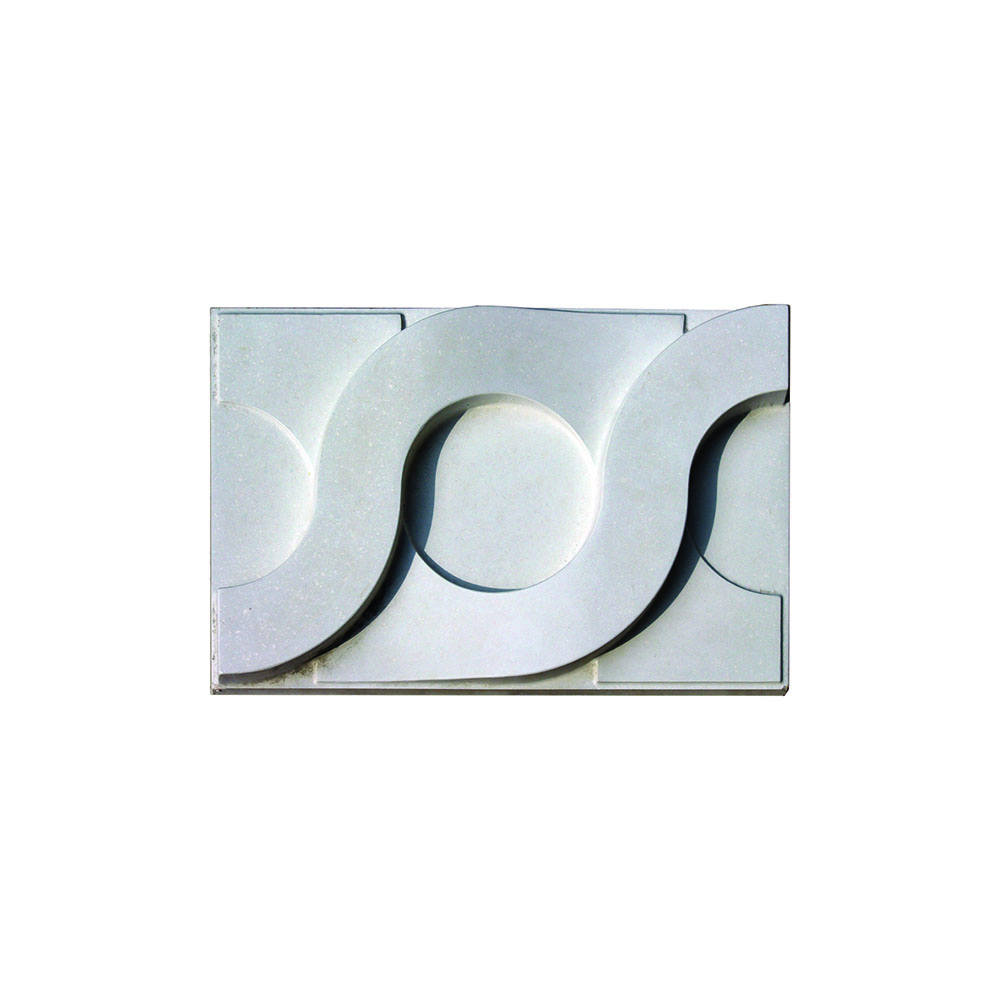
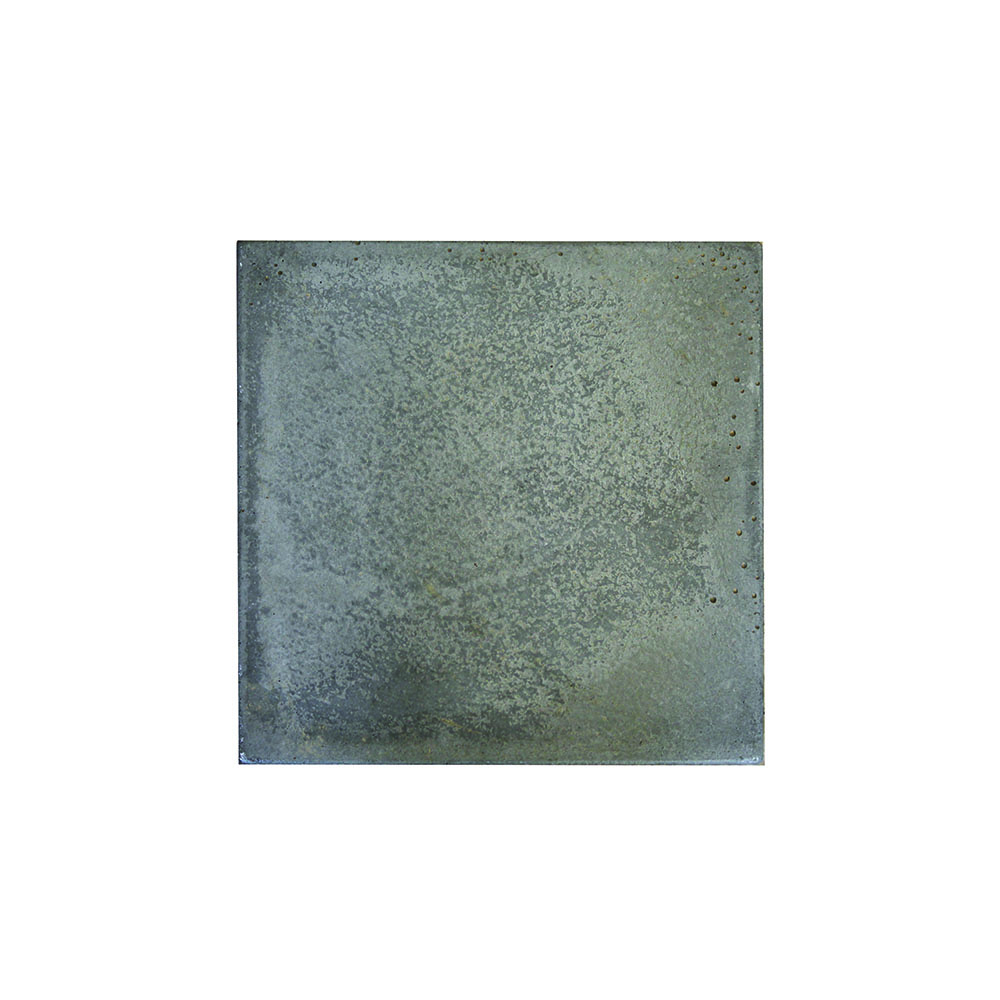
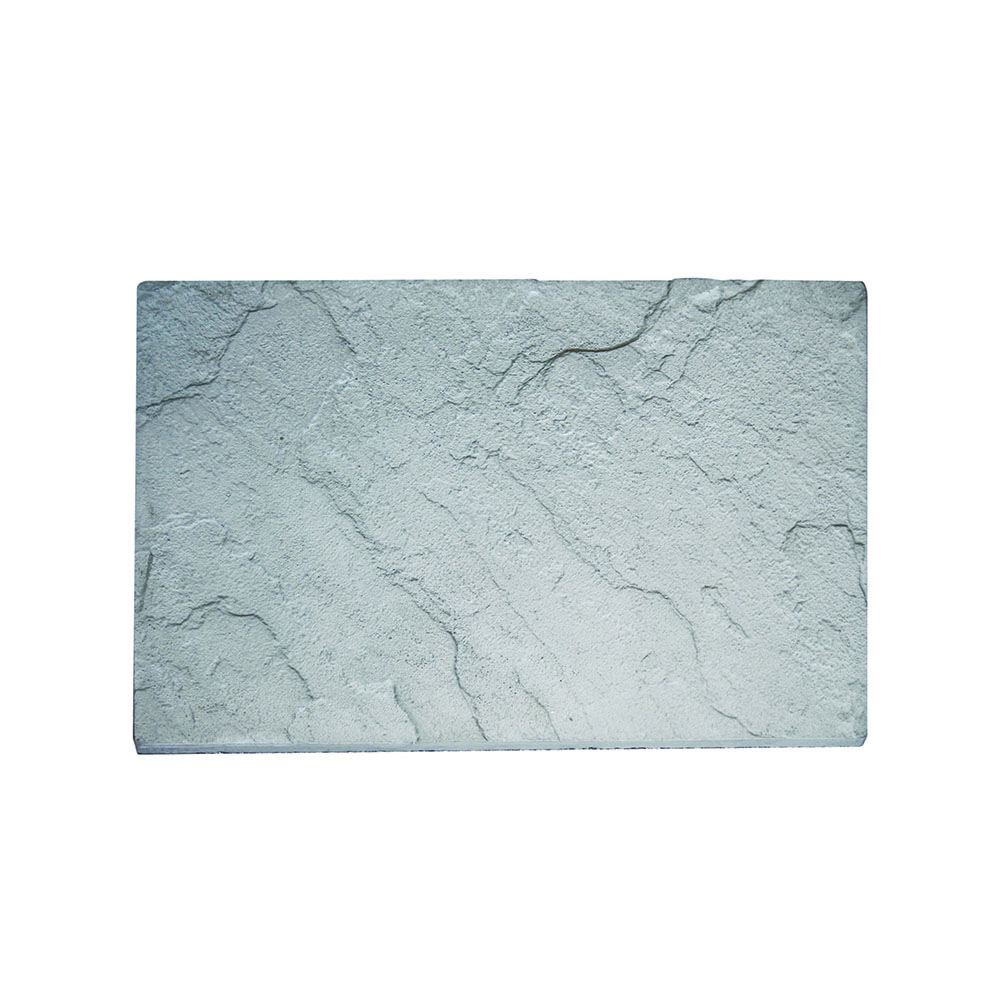
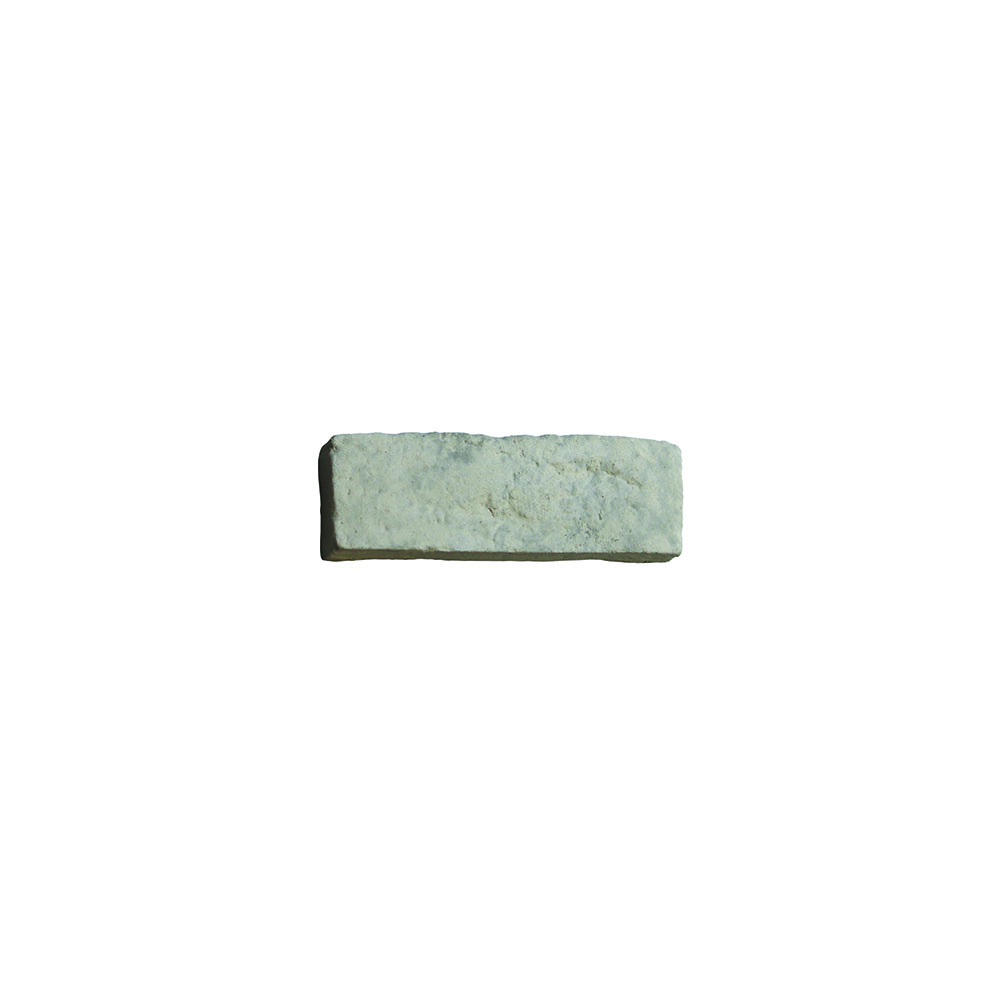
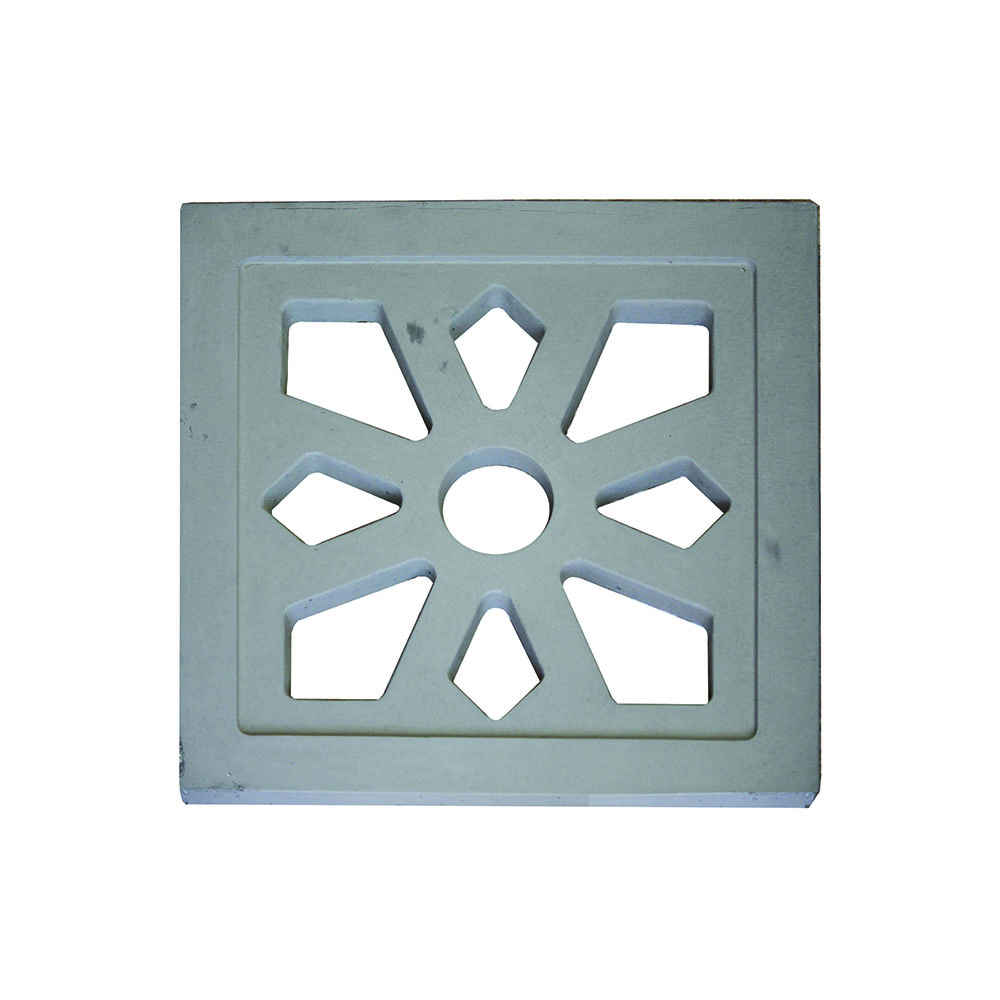
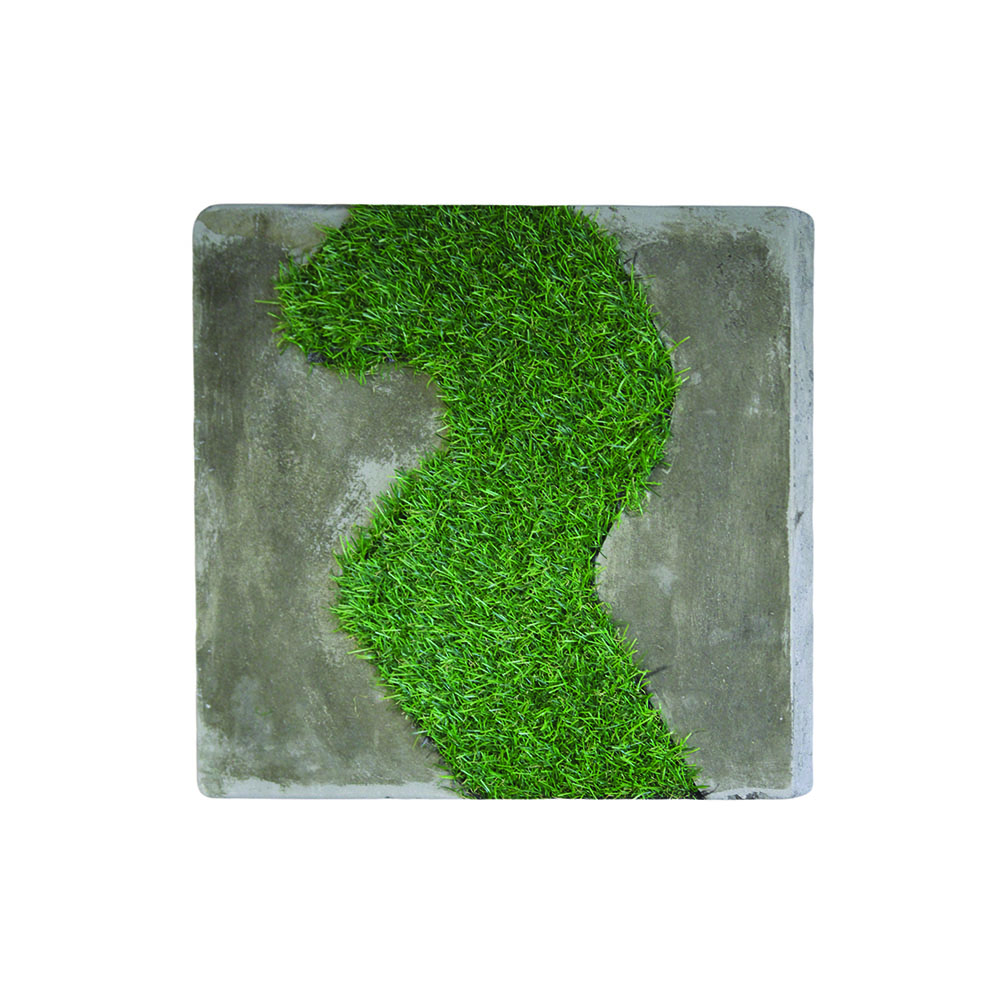
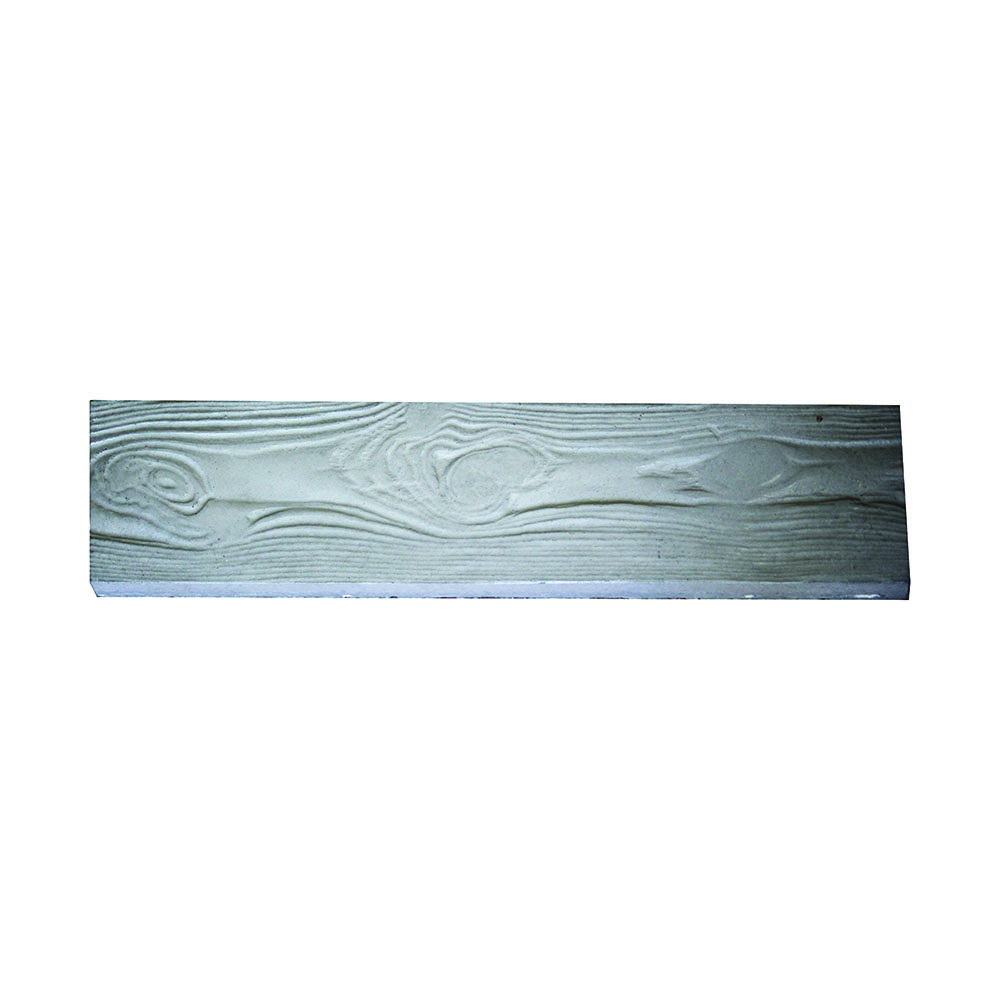
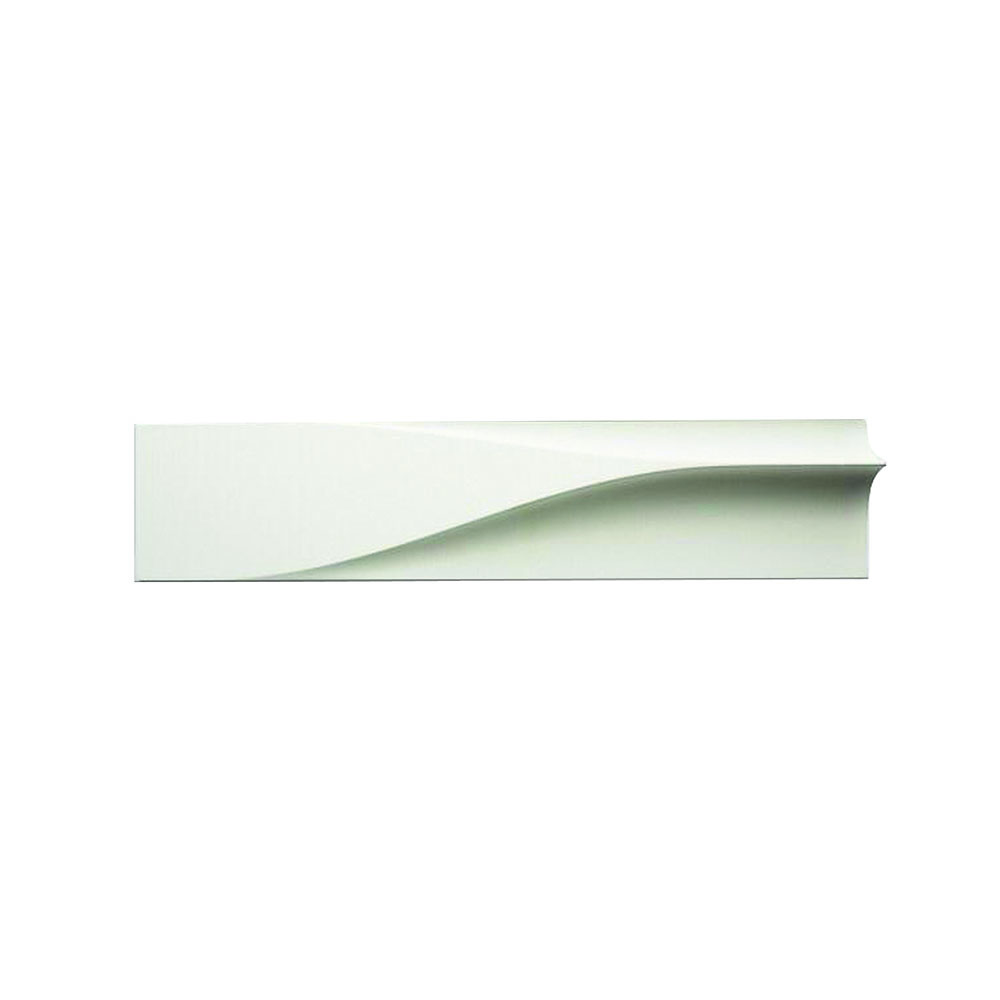
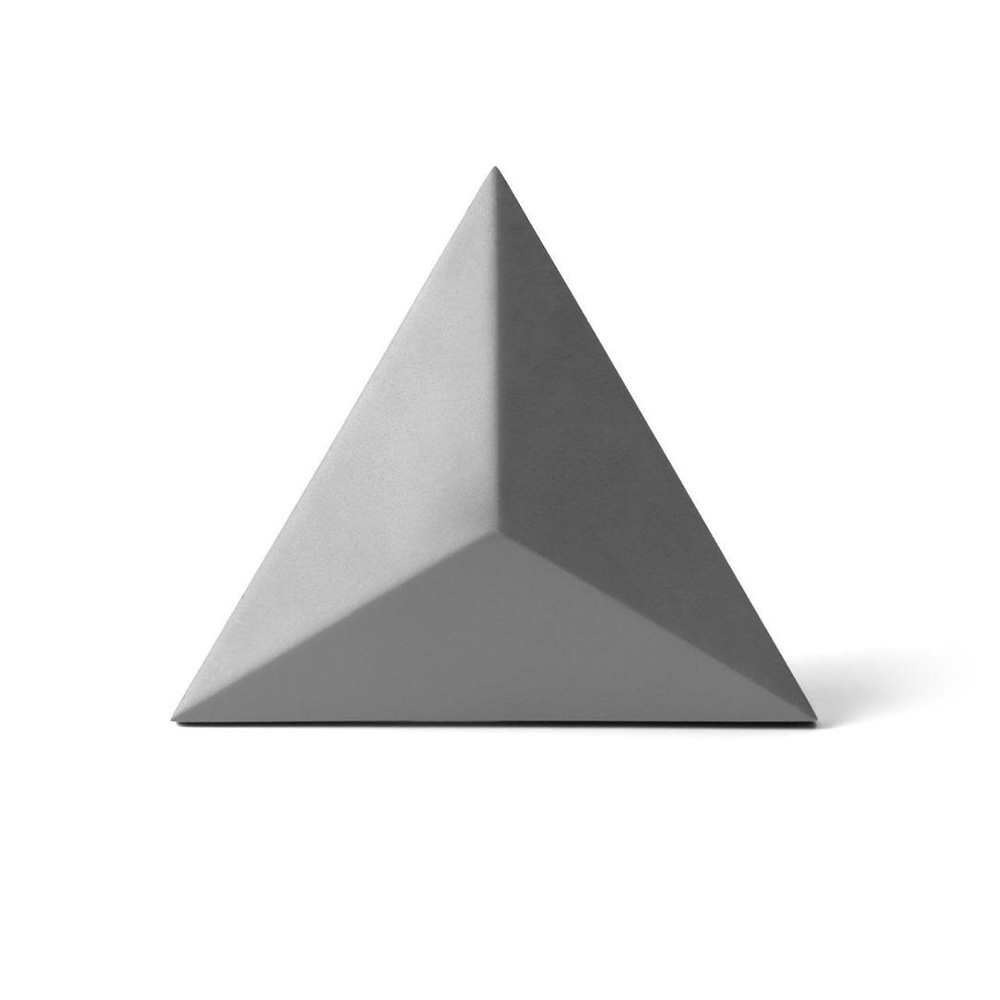
Exposed GFRC (Glass Fiber Reinforced Concrete) is one of the most innovative building materials in modern architecture.
This material is a combination of concrete and alkali-resistant (AR) glass fibers, which is widely used in architectural and civil engineering projects due to its unique properties.
GFRC is composed of Portland cement, fine-grained sand, water, alkali-resistant (AR) glass fibers, acrylic polymers and chemical additives.
Glass fibers, uniformly distributed in the cement matrix, significantly increase the tensile and flexural strength of concrete.
Lightweight: GFRC is about 20 to 30 percent lighter than conventional concrete, which reduces the dead load of the building and makes it easier to install.
High mechanical strength: GFRC’s tensile strength can be up to 10 times that of conventional concrete, making it suitable for use in facades and load-bearing parts.
High ductility: The ability to mold into complex and curved shapes makes GFRC ideal for creative and unique designs.
Durability and resistance to environmental conditions: High resistance to moisture, UV rays, temperature changes and chemicals makes GFRC suitable for use in various weather conditions.
Thermal and acoustic insulation: GFRC has a good performance in reducing heat and sound transmission due to its dense structure.
Fire resistance: GFRC is non-flammable and has high resistance to fire.
GFRC applications in architecture and construction
Building facades
GFRC is used in the design of residential, commercial and office building facades due to its light weight, high strength and ability to mold into various shapes.
For example, the facade of the Edima Tower in Mazandaran was designed using GFRC panels.
These types of panels have the ability to implement a variety of colors, textures, and designs, allowing for the creation of integrated and modern facades.
GFRC is used in the construction of decorative elements such as columns, capitals, cornices, domes, and arches.
High ductility and good mechanical strength make this material suitable for creating complex architectural details.
It can also be used in the reconstruction of historical monuments, as it allows the production of accurate parts similar to the original materials.
In the design of urban furniture such as benches, flower pots, trash cans, and sculptures, GFRC is a suitable option due to its high durability and resistance to weather conditions.
These products can be easily used in open spaces such as parks, squares and sidewalks and are highly resistant to moisture, frost and sunlight.
GFRC is used in the construction of bridges, tunnels, highway sound walls and other infrastructure structures.
Light weight and high strength make this material suitable for use in large construction projects.
Also, due to its flexibility in design, it is also used in projects that require aesthetics along with functionality.
Another notable application of GFRC is in the interior design of buildings.
Wall panels, kitchen countertops, decorative wall elements, fireplaces and even bathroom sinks can be made using GFRC.
This feature allows designers to create surfaces with the appearance of raw concrete but with high performance in interior environments.
GFRC is also used in projects such as mosques, churches, museums and conference halls due to its high formability and precision in the manufacture of parts.
The design of arches, altars, capitals and volumetric inscriptions with this material is at a high level in terms of both aesthetics and durability.
Outstanding examples of the use of GFRC in the world
Burj Khalifa, Dubai: The facade of this tower is designed using GFRC.
Guggenheim Museum, Bilbao, Spain: The use of GFRC panels in the design of the complex curves of this museum demonstrates a combination of beauty and strength.
National Center for the Performing Arts, Beijing, China: The elongated and curved facade of this building is made using GFRC.
Advantages and Disadvantages of GFRC
Advantages:
Light weight and ease of installation
High tensile and bending strength
High ductility and flexibility
Durability and resistance to environmental conditions
Thermal and acoustic insulation
Fire resistance
Disadvantages:
Higher initial cost than conventional concrete
Requires special equipment and expertise in production and installation
Sensitivity to cracking if not implemented properly
GFRC exposed concrete, with its unique combination of strength, durability, beauty and flexibility, is recognized as one of the advanced materials in modern architecture and construction.
The use of GFRC in various projects, from building facades to infrastructure structures, demonstrates the high potential of this material in responding to diverse design and construction needs.

Behsazan Company started operating in 1993 under the management of Amir Sepasi, and is now at your service by offering products such as concrete types, concrete surfaces, concrete additives, fibers, etc.
Kolahdouz Street (Dolat) after Dolat Gas Station, not reaching Kaveh Boulevard, No. 326, 4th floor, Unit 12


